




Cuba produced professional stars before it became an Olympic boxing power. That history makes any list of its greatest fighters difficult to rank. Kid Chocolate and Kid Gavilan built their names in long professional careers; Teófilo Stevenson and Félix Savón never fought professionally. The dividing line was a political decision in 1962 that changed what a Cuban boxer could do with his talent.
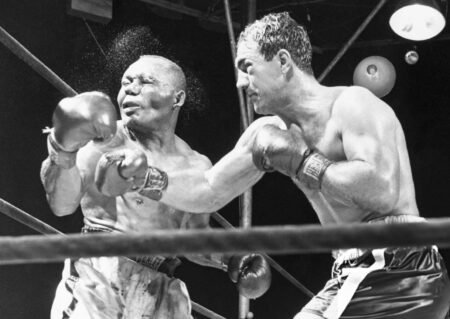
Chocolate was a major New York attraction in the 1930s, admired for his speed and two-handed punching. Gavilan later won the welterweight title and made the bolo punch his signature. Luis Rodriguez added another championship to Cuba’s professional history when he beat Emile Griffith for the welterweight title in 1963. These men built their reputations in fights against the leading professionals of their day.
After Cuba banned professional boxing, a fighter who wanted that career had to pursue it abroad. José Nápoles became a welterweight champion after making his home in Mexico. José Legrá won the featherweight title while based in Spain. Later fighters such as Erislandy Lara left Cuba to compete for professional titles. Their success carried a personal cost that a list of wins and belts cannot show.
Cuba also built an amateur program under coach Alcides Sagarra that produced generations of Olympic champions. Stevenson won heavyweight gold in 1972, 1976 and 1980. Savón won the same prize in 1992, 1996 and 2000. Their medals need no imagined professional careers to give them value. But the absence of professional fights leaves one question open: how would the system’s best have performed against established champions over twelve rounds?
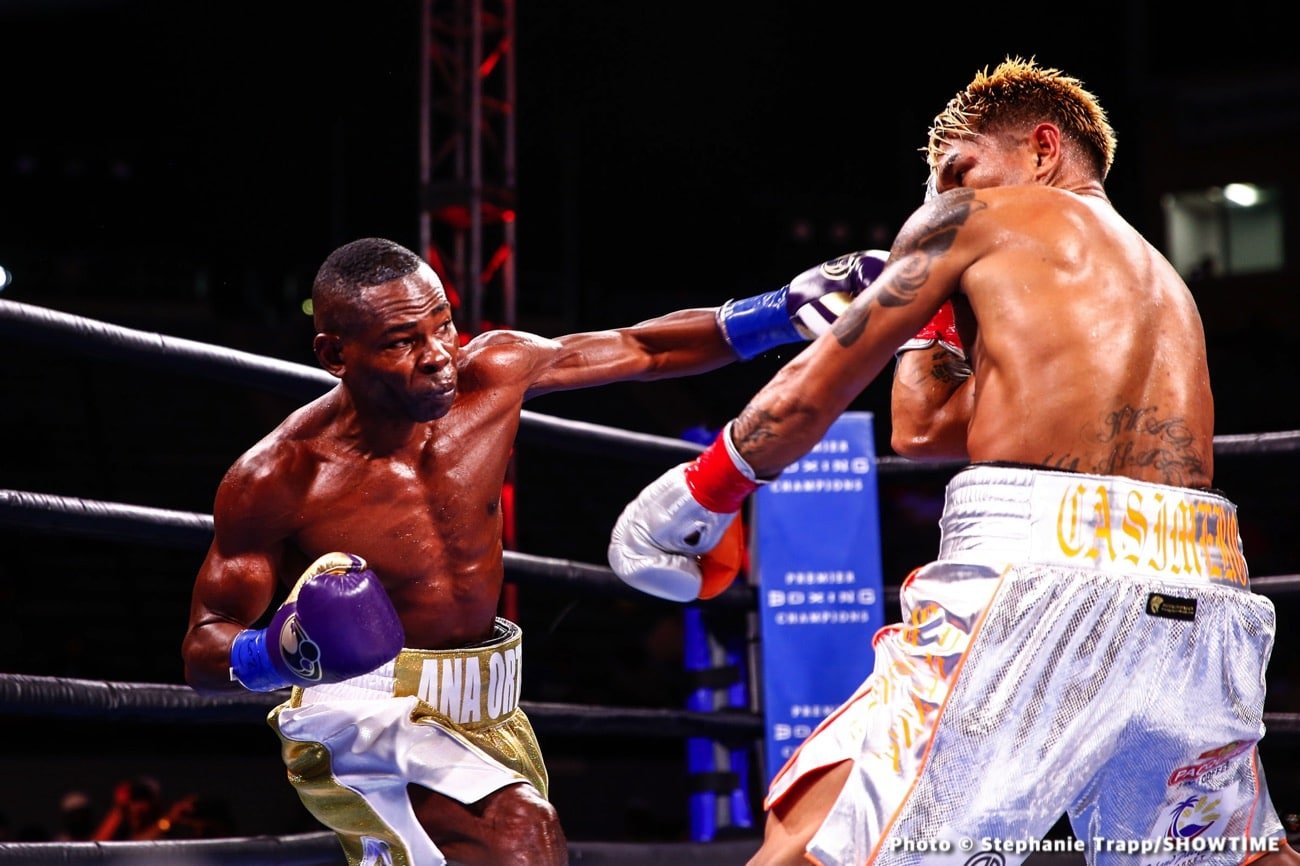
Guillermo Rigondeaux gave that question a partial answer. He won Olympic gold in 2000 and 2004, then left Cuba and became a professional champion. In 2013, he beat Nonito Donaire in a super bantamweight title fight, controlling distance and making a dangerous puncher miss repeatedly. Donaire was a proven champion, and Rigondeaux’s amateur schooling held up against him. One fight cannot settle how Stevenson or Savón would have fared as professionals, but it gives this comparison something firmer than speculation.
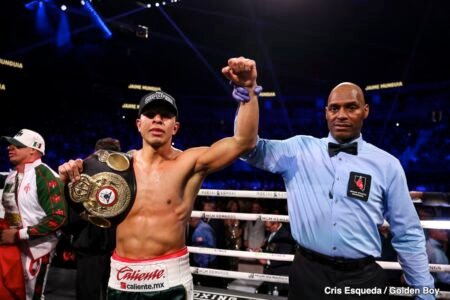
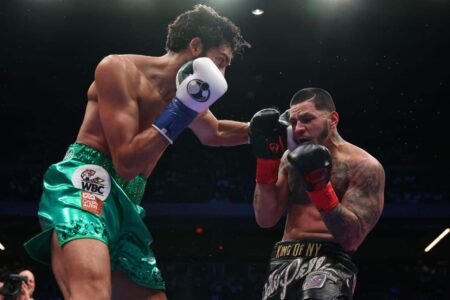
Lara’s December 2025 defense of the WBA middleweight title shows that Cuban fighters still succeed on the professional side of that divide. The strongest case for Cuba’s boxing greatness comes from looking at both sides: champions who proved themselves over long professional careers, Olympic greats whose careers took another course, and Rigondeaux, who crossed between them and beat one of the best.
Read the full article here