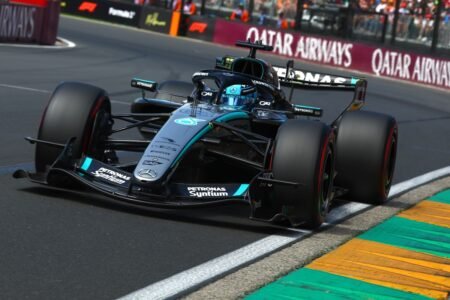




Mercedes lived up to all expectations by securing pole position in Melbourne, but the interviews with drivers in the media pen centred on a completely different topic: their first real impressions of the new regulations. And they are – generally speaking – far from positive.
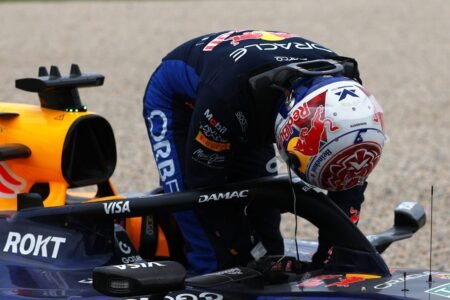
At Bahrain pre-season testing there had already been plenty of criticism, particularly from Max Verstappen, who described the new rules as “Formula E on steroids”. The Red Bull driver added during his Dutch media round that he did not even want to drive the 2026 car in the simulator, something he feels has been confirmed in Australia.
“It already felt really bad in the simulator, even to the point that I didn’t want to drive it. I’ve already explained that and it’s just the same now,” Verstappen said after qualifying in Melbourne.
“I’m not enjoying it at all. Like I said, it also doesn’t matter to me where I qualify. Whether it would have been at the front or where I am now, emotionally and in terms of feeling it’s completely empty.”
Debate over straight mode zones a political game?
The criticism in public does not stand on its own. Autosport understands that the drivers’ briefing in Melbourne was intense and lasted considerably longer than usual.
The first part of the meeting focused on the track itself and on the straight mode zones, which led to a political debate on Saturday morning. The FIA initially wanted to remove the fourth zone, the one between Turns 8 and 9, but that proposal did not go down well with a majority of the teams.
In the paddock it soon emerged that Audi had particularly pushed for removing the straight mode in that part of the track. Gabriel Bortoleto was most vocal about it during the briefing, although the Brazilian driver denied that in the media after details of the meeting had leaked.
Gabriel Bortoleto, Audi F1 Team
Photo by: Jayce Illman / Getty Images
“I didn’t make that comment. Everyone is talking about it. There are people that talked five times more than me,” Bortoleto said. “The only thing I said is that with SM [straight mode] on, I had a bit of understeer and I almost crashed with one of the Ferraris because very close fighting and then if you lose a little bit of load, you can crash. I think people are saying that I said [things] about SM, but there were people, I don’t want to say names, that were pushing much harder than me.”
However, insiders indicate that Audi did push for a change. According to FIA’s single-seater director Nikolas Tombazis, seven teams potentially had downforce issues with straight mode on, which did not include the four leading teams. For that reason, it was hardly surprising that those teams strongly opposed the intervention on Saturday morning – not least because such a change would have had major consequences for set-up and energy deployment.
Criticism voiced during an intense drivers’ briefing
After that discussion the 2026 regulations were addressed in more general terms. Just as in public, two of the more experienced drivers – Lewis Hamilton and Verstappen – spoke out behind the scenes, although the latter noted after qualifying that the content of drivers’ briefings should not become public.
“I mean, it’s a bit weird that you know. Drivers shouldn’t be speaking [about these meetings to the press] or other people,” Verstappen said. “That’s not very professional, I find, from the people involved. But anyway, yeah, I said how I thought about it. I’m definitely not having fun at all with these cars. You can make up your mind, but I think if you look at the onboards, you see enough, right?”
The Dutchman once again made it clear that issues with the energy-limited cars have not come out of nowhere, and that the rulemakers could have seen them coming. He warned about it after his first simulator runs in 2023, but according to Verstappen the drivers were not listened to sufficiently.
Now that several ideas are being discussed to improve the situation – more on that below – Verstappen said: “Well, it’s a bit late for that now, isn’t it?”

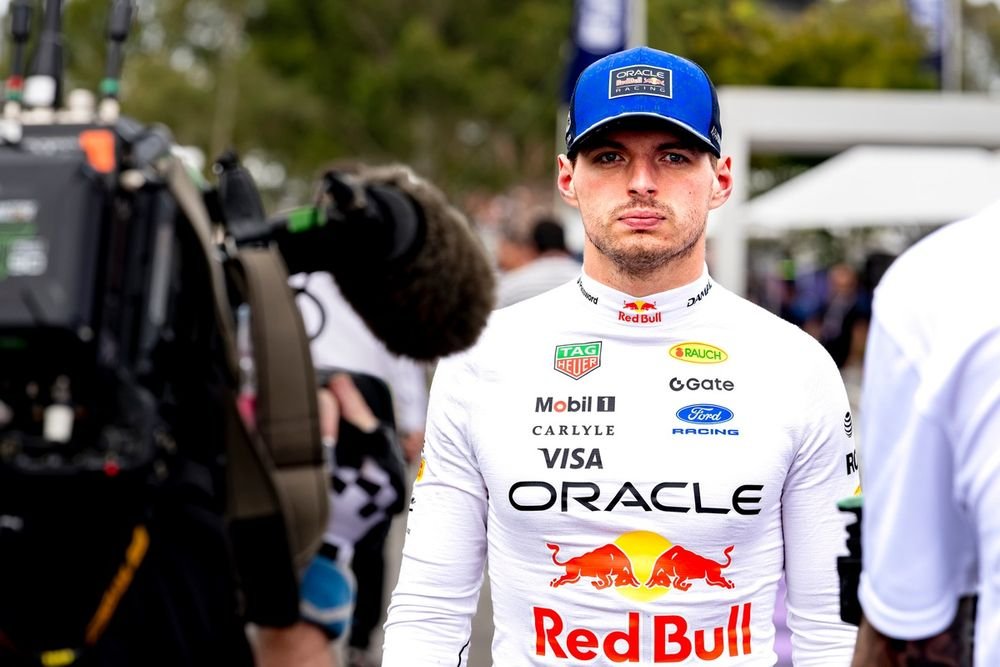
Max Verstappen, Red Bull Racing
Photo by: Marcel van Dorst / EYE4images / NurPhoto via Getty Images
Alongside Verstappen and Hamilton, Lance Stroll also spoke out behind the scenes. The Canadian believes that F1 cars are getting worse every year and sees 2026 as another step backwards, something he also stated publicly after qualifying.
“It would be nice, I think, to have some cars that sound good, a little bit less complicated, and just more like normal, good racing,” he said. “We have the green fuel now, we can go racing with sustainable fuel, and we could have engines that sound really good in light cars. I think it’s a shame that, as a sport, we’re not doing that.”
Norris calls 2026 F1 cars “the worst ever” – but is it fair?
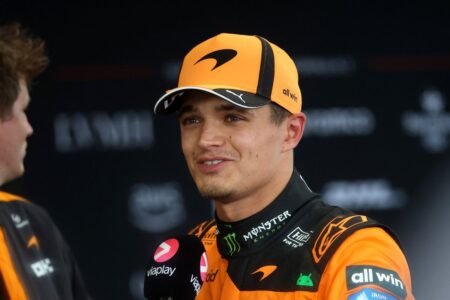
One of the drivers who spoke positively about the new rules at the start of winter testing in Bahrain was Lando Norris. However, the reigning world champion clarified during the second week in the Middle East that he had mainly said that to counter Verstappen and see the reactions.
His real opinion is much closer to that of the Red Bull driver – namely that these rules do not appeal to him either. Norris had already shared that view at the end of winter testing and went even further after qualifying Down Under.
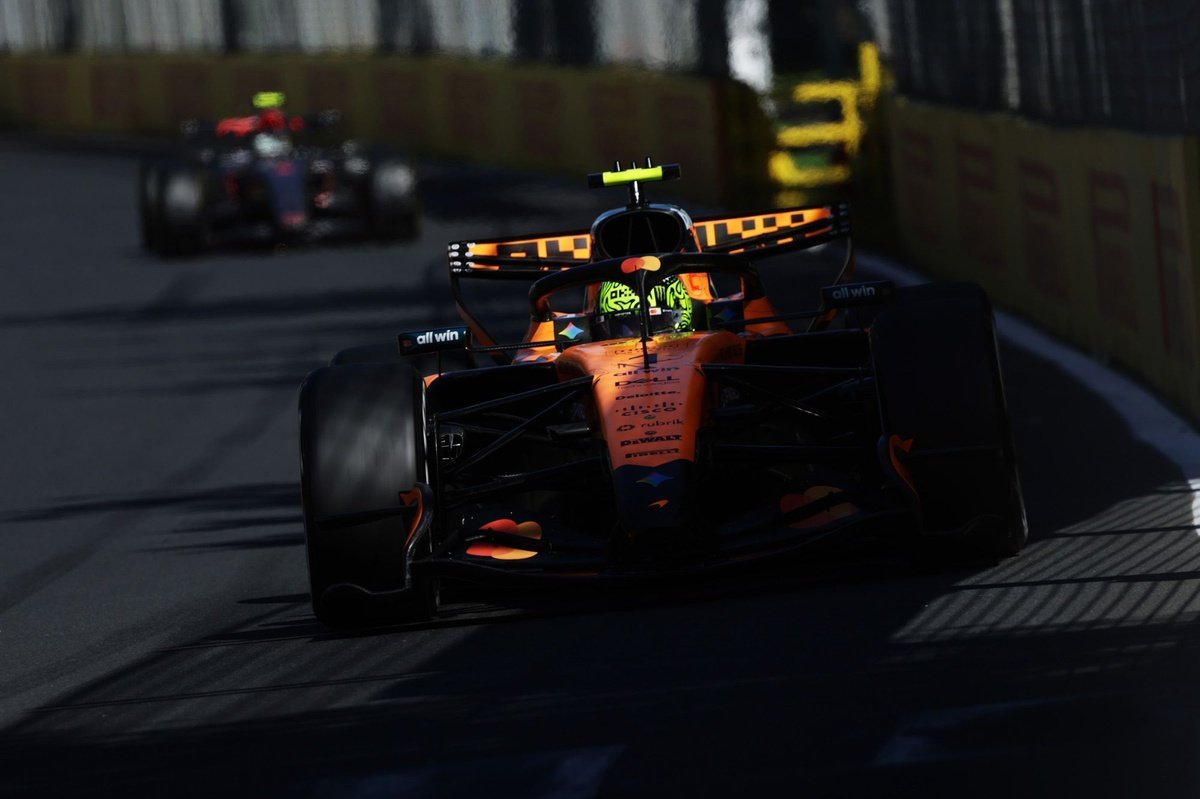
“We’ve come from the best cars ever made in Formula 1 and the nicest to drive to probably the worst. It sucks, but you have to live with it,” he said. Asked whether he could enjoy any aspect of the new cars at all, Norris remained silent for seven seconds before replying: “Not really, no.”
It should be noted, however, that most drivers were not particularly enthusiastic about the ground-effect cars either – and their physical consequences – meaning that not everyone would consider those the best F1 cars ever made.
Regarding the complaints voiced by drivers during Friday’s meeting, Norris said they ultimately have the best interests of F1 in mind.
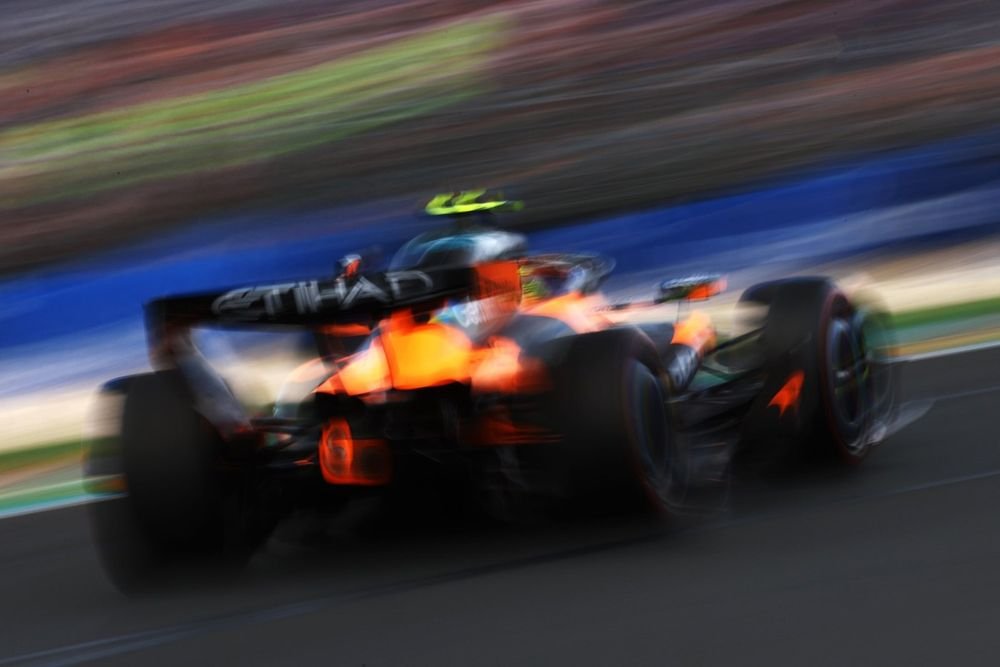
Lando Norris, McLaren
Photo by: Alastair Staley / LAT Images via Getty Images
“I think we have the interest of the sport in our minds better than others,” Norris explained. “We also want the best for the sport, we don’t try and do things to make it more fun for us. We try and do it so it’s cooler cars, better to watch, more exciting, all these different things.
“The rules have been changed because that’s what manufacturers want. But if you have probably 18 of the drivers complaining, actually it’s 20, 20 of the drivers complaining, I don’t know what’s better for the sport or not.”
Is there a short-term solution available?
The final question is what can realistically be done to improve the situation. Tombazis has indicated that the FIA has scheduled an evaluation after the Chinese Grand Prix, although it remains to be seen whether the options currently on the table will be sufficient.
When it comes to energy management, the FIA can adjust two parameters: harvesting and deployment. The governing body can limit the amount of energy drivers are allowed to recover per track, so that they have to lift and coast or downshift less. In addition, the share of electrical power in race trim could be reduced.
Verstappen, however, noted that the latter proposal would come at a certain cost: slower lap times – and the question remains how willing the FIA would be to accept that.
On the harvesting side, McLaren tested super clipping up to the maximum of 350 kilowatts in Bahrain, but according to Oscar Piastri that is not the silver bullet either: “At the moment if you lift, you can harvest 350 kilowatts, so a super clip at 350 is the same as a lift. The only difference is one of them you’re actually off the throttle and in control of it, the other one you’re at full throttle. I’m not sure it’s any more helpful.”
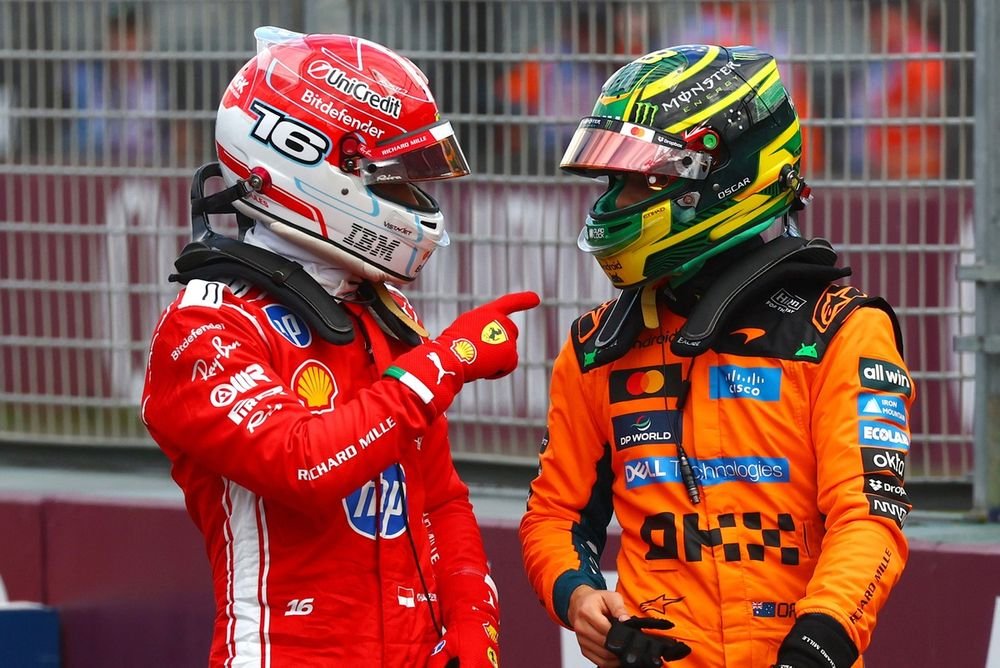
Charles Leclerc, Ferrari, Oscar Piastri, McLaren
Photo by: Joe Portlock / Getty Images
That means most drivers agree on one thing: for now, the new cars are not very pleasant to drive. But finding a good solution seems a lot more complex. According to Piastri that is because it is directly linked to the DNA of the new rules.
“I think everyone can see the state of things,” he said. “I think it will probably improve a bit, but there’s clearly some fundamental things that won’t be very easy to fix. Yeah, I don’t really know what we do about that.”
The first competitive session of the 2026 season has exposed the main weaknesses of the new regulations – at least according to the drivers – although the question of ‘what’s next?’ is much harder to answer.
We want to hear from you!
Let us know what you would like to see from us in the future.
Take our survey
– The Autosport.com Team
Read the full article here